A Face in the Crowd reveals how social intelligence becomes weaponized manipulation. Learn to recognize and avoid the Lonesome Rhodes pattern in leadership, relationships, and social influence.
Published on consciouschoicemastery.com | Approx. 10-12 min read
“I’m not just an entertainer. I’m an influence, a wielder of opinion, a force… a force!”
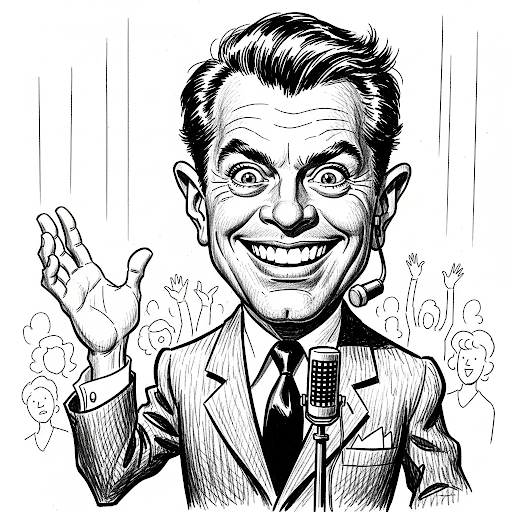
Lonesome Rhodes’s declaration in Elia Kazan’s 1957 masterpiece A Face in the Crowd reveals something chilling: a person with extraordinary social intelligence who has consciously chosen to weaponize his gifts for personal power rather than authentic service.
Most discussions of manipulation focus on people who lack empathy or social awareness. A Face in the Crowd exposes something more dangerous: someone who possesses sophisticated emotional intelligence, pattern recognition, and charismatic abilities—and deliberately chooses to use them for exploitation.
This makes the film a perfect case study for understanding the dark side of conscious choice intelligence: what happens when someone develops advanced social pattern recognition but applies it to domination rather than genuine connection.
The Authentic Gift Corrupted by Conscious Choice
Lonesome Rhodes doesn’t start as a manipulator. In the opening scenes, his charisma feels genuine—he connects authentically with people, reads their emotional needs accurately, and responds with natural warmth and humor.
But as opportunities for power present themselves, Rhodes makes a series of conscious choices that transform his gifts from authentic service into sophisticated manipulation:
Early Authentic Phase:
- Natural ability to connect with ordinary people
- Genuine empathy for working-class struggles
- Intuitive understanding of what people need to hear
- Spontaneous, unfiltered emotional expression
Conscious Corruption Phase:
- Systematic study of audience psychology for manipulation
- Calculated authenticity designed to maximize influence
- Strategic vulnerability performed to maintain relatability
- Deliberate exploitation of people’s trust and emotional needs
The tragedy isn’t that Rhodes lacks social intelligence—it’s that he possesses remarkable social intelligence and consciously chooses to pervert it.
Advanced Social Pattern Recognition in Service of Exploitation
Rhodes demonstrates every aspect of sophisticated social intelligence, but applies each skill toward domination rather than genuine connection:
Emotional Pattern Reading
The Skill: Rhodes instantly recognizes people’s emotional states, insecurities, and deepest needs.
Authentic Application: Using this awareness to provide genuine comfort, support, or encouragement.
Rhodes’s Choice: Exploiting emotional vulnerabilities to create dependency and control.
Example: He immediately recognizes Marcia Jeffries’s loneliness and need for purpose, then systematically exploits this knowledge to make her emotionally dependent while pursuing other relationships.
Archetypal Communication
The Skill: Natural ability to embody universal human archetypes (the common man, the wise fool, the rebel leader) that resonate across different audiences.
Authentic Application: Helping people recognize their own potential through archetypal modeling.
Rhodes’s Choice: Shape-shifting between archetypes to manipulate different audiences for personal gain.
Example: Playing the folksy everyman for rural audiences while positioning himself as a sophisticated power broker with political elites.
Timing and Momentum Recognition
The Skill: Intuitive understanding of when people are most receptive to influence and how to build emotional momentum.
Authentic Application: Using optimal timing to deliver genuine wisdom or support when people can best receive it.
Rhodes’s Choice: Manipulating people’s receptive states to install his agenda rather than serve their actual needs.
Example: Choosing moments of maximum audience vulnerability (during emotional songs, personal revelations) to slip in political propaganda.
Social System Intelligence
The Skill: Understanding how social hierarchies, group dynamics, and cultural systems actually operate.
Authentic Application: Helping people navigate social systems more effectively or working to improve those systems for collective benefit.
Rhodes’s Choice: Gaming social systems for personal advancement while preventing others from gaining similar access or awareness.
Example: Using his media platform to influence political outcomes while maintaining the illusion that he’s just an entertainer serving his audience.
The Three-Layer Analysis of Rhodes’s Corruption
Using the Conscious Choice Intelligence framework reveals how Rhodes systematically chooses manipulation over authenticity:
Layer 1: Surface Events (What Audiences See)
- Charismatic entertainer who speaks for the common people
- Authentic, spontaneous personality connecting with regular folks
- Success story of talented individual rising from humble origins
- Popular media figure using his platform for social commentary
Layer 2: Pattern Recognition (What’s Actually Happening)
- Systematic study and exploitation of audience psychological patterns
- Calculated performance of authenticity designed for maximum influence
- Strategic cultivation of emotional dependency in key relationships
- Conscious development of political power through media manipulation
Layer 3: Consciousness Message (The Deeper Choice Architecture)
- Rhodes consistently chooses personal power over authentic service
- Every relationship becomes a tool for advancing his influence rather than genuine connection
- His gifts are applied to creating dependency rather than empowering others
- The pattern leads inevitably toward isolation and destructive consequences
The Choice Points: Where Rhodes Could Have Chosen Differently
The film presents clear moments where Rhodes recognizes the implications of his choices but deliberately continues down the manipulation path:
Choice Point 1: The First Television Opportunity
The Recognition: Rhodes understands that television offers unprecedented influence over people’s thoughts and emotions.
Authentic Choice: Use this platform to genuinely serve his audience’s needs and interests.
Rhodes’s Choice: Begin systematic study of how to maximize his influence and control over viewers.
The Moment: When he starts calculating his performance rather than simply being authentic, he crosses from natural charisma into conscious manipulation.
Choice Point 2: The Marriage to Betty Lou
The Recognition: He knows he doesn’t love Betty Lou but understands that marriage to her will improve his public image and political viability.
Authentic Choice: Either develop genuine feelings and commitment, or honestly acknowledge the relationship isn’t authentic and end it cleanly.
Rhodes’s Choice: Proceed with marriage as a strategic move while maintaining other relationships, using Betty Lou as a prop in his public persona.
The Moment: When he treats marriage as a media strategy rather than a genuine relationship, he prioritizes image management over authentic connection.
Choice Point 3: The Political Power Opportunity
The Recognition: Rhodes realizes his media influence can determine political outcomes and potentially make him a kingmaker or even a candidate.
Authentic Choice: Use political influence to advocate for policies that genuinely benefit the people who trust him.
Rhodes’s Choice: Pursue political power for its own sake, viewing his audience as a constituency to be manipulated rather than served.
The Moment: When he starts thinking about what political positions will increase his power rather than what positions align with his authentic values and his audience’s real needs.
Choice Point 4: The Final Exposure Opportunity
The Recognition: When Marcia leaves the microphone open and his true contempt for his audience is broadcast, Rhodes recognizes this as a moment for potential authentic reckoning.
Authentic Choice: Use this crisis as an opportunity for genuine self-reflection, apologize authentically, and rebuild relationships based on honesty.
Rhodes’s Choice: Try to manipulate his way out of consequences while learning nothing about the destructive pattern he’s created.
The Moment: Instead of genuine accountability, he immediately strategizes how to rehabilitate his image and regain power.
Modern Applications: The Lonesome Rhodes Pattern Today
A Face in the Crowd was extraordinarily prescient about media manipulation, but the Rhodes pattern appears across many contemporary contexts:
Social Media Influence
The Pattern: Using authentic personal sharing to build audience trust, then exploiting that trust to promote products, ideologies, or personal brand advancement.
Recognition Signs:
- Content shifts from genuine sharing to calculated audience manipulation
- Relationships with followers become transactional rather than authentic
- Personal vulnerability is performed rather than genuine
- Success metrics (engagement, followers, revenue) become more important than authentic connection
Professional Leadership
The Pattern: Using emotional intelligence and charismatic abilities to advance personal career interests rather than genuinely serving team or organizational needs.
Recognition Signs:
- Team members feel manipulated rather than inspired after interactions
- Leadership decisions consistently benefit personal advancement over collective success
- Authentic feedback is discouraged while praise and agreement are rewarded
- People feel used rather than empowered after working with this leader
Political and Social Movement Participation
The Pattern: Using social justice language and authentic-seeming advocacy to build personal platform and influence rather than genuinely serving the causes or communities involved.
Recognition Signs:
- Focus shifts to personal visibility and credit rather than movement outcomes
- Genuine collaboration is avoided in favor of individual spotlight
- Communities being “advocated for” don’t feel genuinely served or heard
- Positions change based on what increases personal influence rather than authentic conviction
Relationship and Dating Dynamics
The Pattern: Using emotional intelligence and relationship skills to create dependency and control rather than genuine intimacy and mutual growth.
Recognition Signs:
- Partners feel emotionally manipulated rather than understood
- Relationship serves the manipulator’s needs while partner’s authentic needs are ignored
- Love-bombing followed by emotional withdrawal creates dependency cycles
- Partner’s growth and independence are undermined rather than supported
The Authentic Alternative: Social Intelligence for Service
The tragedy of Lonesome Rhodes isn’t that he possesses social intelligence—it’s that he chooses to apply remarkable gifts toward exploitation rather than authentic service.
Genuine conscious choice intelligence with social gifts looks different:
Emotional Pattern Recognition for Empowerment
Instead of: Reading people’s vulnerabilities to exploit them Choose: Understanding people’s needs to genuinely serve their growth and wellbeing
Charismatic Influence for Collective Benefit
Instead of: Using charm to create dependency and control Choose: Inspiring others to develop their own authentic power and capabilities
Platform and Visibility for Truth-Telling
Instead of: Using media influence to manipulate audience psychology Choose: Sharing authentic experiences and insights that genuinely help others navigate their own lives
Relationship Skills for Mutual Growth
Instead of: Creating emotional dependency through strategic vulnerability Choose: Building genuine intimacy through authentic sharing and consistent trustworthiness
The Warning Signs: Recognizing Your Own Rhodes Patterns
Most people with social intelligence will face some version of the Rhodes choice points. The key is recognizing when you’re tempted to use your gifts for manipulation rather than service:
Internal Warning Signals
- You find yourself calculating your authenticity rather than simply being authentic
- You’re more interested in the effect you’re having on people than in genuinely connecting with them
- You start viewing relationships as opportunities for advancement rather than mutual growth
- You become more concerned with maintaining your image than with being honest
- You justify manipulation as “giving people what they need” rather than respecting their autonomy
External Feedback Patterns
- People feel drained rather than energized after interacting with you
- Others describe feeling “handled” or manipulated even when they can’t identify why
- Your success comes at the cost of other people’s wellbeing or authentic development
- People who get close to you eventually distance themselves or become resentful
- You’re surrounded by people who depend on you rather than people who are becoming more capable
Choice Architecture Assessment
Using the authenticity indicators from conscious choice intelligence:
Elegance Test: Are your social interactions becoming more complex and requiring more emotional labor to maintain?
Emotional Resonance Test: Do your relationships generate genuine joy and mutual growth, or anxiety and power struggles?
Practical Application Test: Do your social skills improve life flow for everyone involved, or primarily benefit your advancement?
Joy and Humor Test: Are your interactions characterized by genuine lightness and play, or by tension and performance?
Beyond Rhodes: Conscious Choice with Social Gifts
A Face in the Crowd serves as a cautionary tale about what happens when sophisticated social intelligence is applied to manipulation rather than authentic service. But it also illuminates the alternative path:
The Authentic Choice: Using social pattern recognition, emotional intelligence, and charismatic abilities to genuinely serve others’ growth and wellbeing while maintaining your own authentic development.
This requires:
- Systematic honest self-assessment about your motivations and the actual impact of your social choices
- Accountability relationships with people who will tell you the truth about when you’re being manipulative
- Service orientation that prioritizes others’ authentic development over your personal advancement
- Continuous learning about how to use social gifts more skillfully and ethically
- Outcome tracking based on whether people feel empowered rather than dependent after interacting with you
The difference between Lonesome Rhodes and authentic social leadership isn’t the presence or absence of social intelligence, it’s the conscious choice to apply that intelligence toward genuine service rather than personal domination.
@ 2025 Lee Greene