How Dolly Parton used creativity and emotional intelligence to solve an impossible professional dilemma when leaving Porter Wagoner. A masterclass in strategic career transitions and win-win business negotiations that created one of music’s most valuable songs.
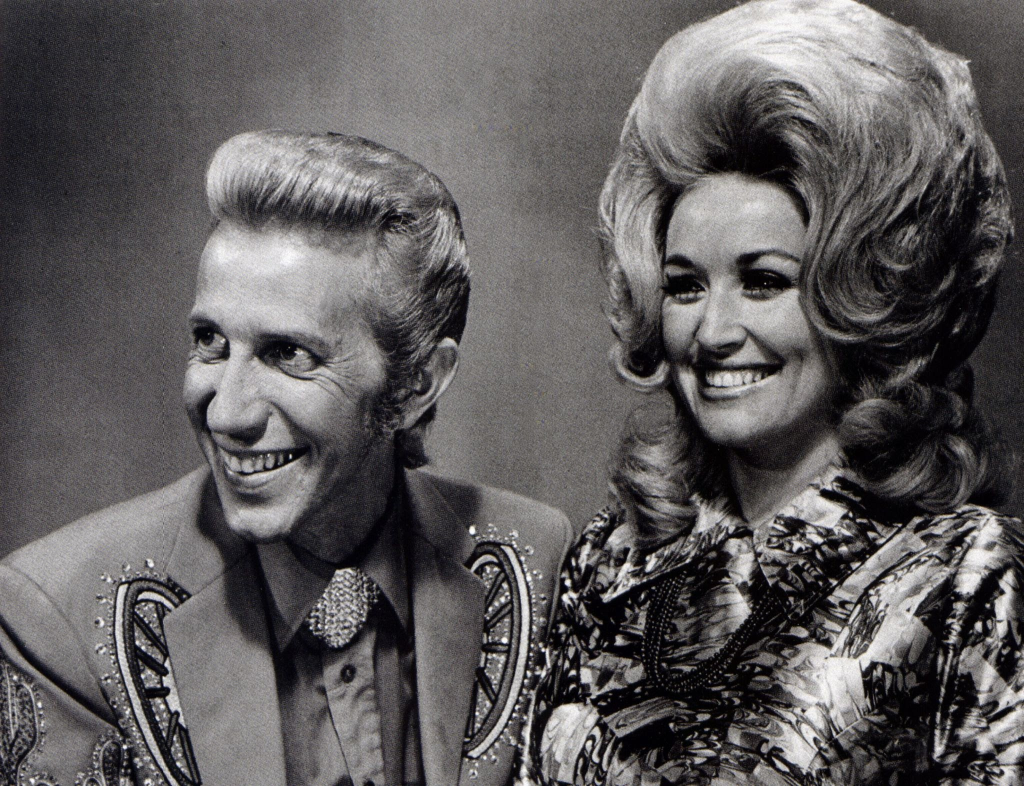
Published on consciouschoicemastery.com | Approx. 10-12 min read
Picture this: It’s February 1974, and a 28-year-old woman walks into her mentor’s office to end a seven-year partnership that launched her career. The stakes couldn’t be higher—their business affairs are completely intertwined, he’s made her a star, and leaving could destroy everything she’s worked for.
But Dolly Parton wasn’t planning to argue her way out. She had a different strategy entirely.
“Sit down, Porter. I’ve written this song, and I want you to hear it,” she told Porter Wagoner. By the time she finished performing “I Will Always Love You,” he was crying. More importantly, she was free.
What happened in that office represents one of the most brilliant solutions to an impossible professional dilemma in business history. Here’s how Dolly Parton turned creativity into strategy and transformed a potential career-ending confrontation into a win-win negotiation.
The Impossible Professional Dilemma
When Dolly Parton joined The Porter Wagoner Show in 1967, she was relatively unknown. Porter Wagoner was country music royalty, hosting the number one syndicated country show in America. The partnership was immediately successful—they won three CMA Vocal Duo of the Year awards and had 14 Top Ten hits together.
But by 1973, the relationship had become professionally toxic. “We fought a lot. We were very much alike. We were both stubborn,” Parton later explained. “He believed he knew what was best for me, too, and I believed that I knew more what was best for me.”
The business reality made leaving seem impossible:
- Contractual obligations: She’d promised to stay five years but had already been there seven
- Financial entanglement: Wagoner owned nearly half of Owe-Par, Parton’s publishing company
- Career dependence: Wagoner was her producer, manager, and the platform for her national exposure
- Industry power dynamics: In 1970s Nashville, challenging a powerful male mentor could end a woman’s career
Most people in her position would have either stayed miserable or started a legal battle. Dolly Parton chose a third option that revealed her extraordinary business intelligence.
The Business Genius: Five Strategic Moves
1. Emotional Positioning Over Legal Warfare
Instead of approaching the split as a business negotiation or legal battle, Parton positioned it as an emotional conversation between friends. She didn’t demand her freedom—she asked for it through vulnerability and respect.
This strategy acknowledged the human relationship behind the business partnership, making it harder for Wagoner to respond with pure business coldness.
2. Creative Asset Creation
The masterstroke was turning her goodbye into intellectual property. “I absolutely remember where I was sitting, the time of night and everything” when she wrote the farewell song by her fireplace in Antioch, Tennessee.
By creating “I Will Always Love You,” she transformed a potentially destructive conversation into the presentation of a valuable creative asset. She wasn’t just asking to leave—she was offering something in return.
3. Win-Win Negotiation Through Creative Currency
When Wagoner heard the song, his response was immediate: “That’s the prettiest song I ever heard. And you can go, providing I get to produce that record.”
This wasn’t coincidence—it was strategy. Parton understood that Wagoner needed something valuable to justify letting his biggest star walk away. The song gave him that justification while preserving his dignity and business interests.
4. Long-Term Value Protection
Parton’s business acumen showed even more clearly in a decision she made around the same time. When Elvis Presley wanted to record “I Will Always Love You,” his manager demanded 50% of the publishing rights. Despite the prestige and immediate money, Parton refused.
This decision protected the long-term value of her creative work—a choice that would eventually make her millions when Whitney Houston’s version became a global phenomenon.
5. Relationship Preservation Strategy
Despite later legal complications (Wagoner sued her for $3 million in 1979), Parton maintained the possibility of reconciliation. Her approach in that office in 1974 kept the door open for future relationship repair.
This proved prescient: “I was with Porter the day he died. So we had made full circle and that was all good,” she later reflected.
Modern Applications: The Dolly Parton Playbook
Parton’s approach offers a masterclass for anyone facing their own impossible professional dilemmas:
When Leaving a Mentor or Partnership:
- Position the conversation emotionally, not just legally
- Create value for the other party as part of your exit strategy
- Protect your long-term interests even when immediate gains tempt you
- Preserve relationships for potential future reconciliation
For Creative Professionals:
- Your creative work can be currency in business negotiations
- Sometimes the best business strategy is a personal gesture
- Consider how your exit strategy might actually benefit both parties
For Anyone Facing Powerful Opposition:
- Vulnerability can be more powerful than aggression
- Find ways to let the other party save face while getting what you need
- Think systemically about all the relationships and assets involved
The Extraordinary Payoff
“I Will Always Love You” went to number one on the country charts in 1974. It topped the charts again in 1982. When Whitney Houston recorded it for “The Bodyguard” soundtrack in 1992, it became one of the best-selling singles of all time.
But the real genius wasn’t just the song—it was how Parton used creativity to solve what seemed like an unsolvable business problem. She turned potential enemies into collaborators, protected her long-term interests, and created one of the most valuable pieces of intellectual property in music history.
All because she understood that sometimes the best business strategy isn’t found in a boardroom—it’s found in your heart, your creativity, and your willingness to find solutions that work for everyone.
The next time you’re facing an impossible professional situation, ask yourself: What would Dolly do? The answer might just be more creative than you think.
@ 2025 Lee Greene