Napoleon Hill’s Hidden Masterpiece: Consciousness Principles Disguised as Business Strategy
Published on consciouschoicemastery.com | Approx. 10-12 min read
“Whatever the mind can conceive and believe, it can achieve.”
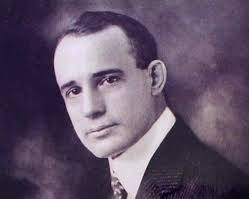
When Napoleon Hill wrote this line in 1937, he was smuggling revolutionary consciousness principles into Depression-era America disguised as business advice. What appears to be a book about financial success is actually a sophisticated manual for conscious choice-making that had to be presented carefully to reach audiences who might reject the same principles presented in spiritual or philosophical language.
Hill understood something that wouldn’t become mainstream for decades: consciousness creates reality through systematic choice-making, and individual success emerges from aligning personal development with service to others. But in 1937 America, teaching consciousness principles directly would have seemed impractical or mystical to audiences desperate for concrete success strategies.
So Hill encoded advanced consciousness technology in business methodology, creating a framework that taught readers how to partner with their deeper creative intelligence while maintaining the practical language that business-minded people could accept. His genius wasn’t just in understanding these principles—it was in translating them into actionable systems that worked regardless of whether readers understood the deeper consciousness mechanics involved.
“Think and Grow Rich” remains influential not because it teaches people how to get rich, but because it teaches people how to think consciously and make choices that serve both authentic development and genuine contribution to others. Hill created a masterpiece of consciousness education disguised as a success manual.
Hill’s Five Principles of Conscious Success
Principle 1: Adaptive Flexibility – “Specialized Knowledge Applied Through Organized Planning”
Hill understood that successful people don’t use the same approach for every situation—they adapt their methods to serve each unique challenge while maintaining consistent purpose. His concepts of “Specialized Knowledge” and “Organized Planning” demonstrate sophisticated understanding of how to customize approaches without losing strategic focus.
Hill’s Adaptive Flexibility Framework:
- Specialized Knowledge: Acquire specific expertise for your particular goals rather than trying to know everything about everything
- Organized Planning: Create flexible strategies that can adapt to changing circumstances while maintaining core objectives
- Definite Chief Aim: Maintain consistent purpose while varying methods based on feedback and changing conditions
- Applied Faith: Trust your natural ability to adapt and succeed in unfamiliar territory through conscious choice-making
The Hidden Consciousness Teaching: Hill recognized that consciousness works through focused attention and flexible response. By concentrating mental energy on specific outcomes while remaining adaptable about methods, individuals align their creative power with practical action. This isn’t wishful thinking—it’s sophisticated understanding of how attention creates reality through systematic choice-making.
Modern Application: You can apply Hill’s framework by identifying your core purpose (Definite Chief Aim) while remaining flexible about methods (Organized Planning) and continuously developing capabilities that serve your specific goals (Specialized Knowledge). This creates sustainable progress through conscious adaptation rather than rigid adherence to predetermined strategies.
Hill’s Adaptive Flexibility Practice: “Determine what you want, create a flexible plan for achieving it, develop the specific capabilities required, and adapt your methods based on actual results while maintaining unwavering focus on your ultimate objective.”
Principle 2: Continuous Choice – “Persistence Backed by Burning Desire”
Hill’s emphasis on “Persistence” and “Burning Desire” reveals deep understanding that success emerges from continuous choice-making rather than one-time decisions. His framework shows how to maintain conscious choice momentum through daily mental discipline and systematic decision-making aligned with larger purpose.
Hill’s Continuous Choice Framework:
- Burning Desire: Maintain consistent emotional and mental alignment with your chosen objectives
- Persistence: Make choices that serve your goals even when circumstances seem discouraging
- Daily Mental Discipline: Choose your thoughts, focus, and actions systematically rather than reactively
- Decision-Making Speed: Make choices quickly based on available information rather than waiting for perfect certainty
The Hidden Consciousness Teaching: Hill understood that consciousness creates reality through accumulated choices over time, not through single dramatic decisions. “Burning Desire” isn’t emotional wanting—it’s sustained mental and emotional alignment with chosen outcomes that guides daily choice-making. Persistence isn’t stubborn repetition—it’s conscious recommitment to your chosen direction despite changing external circumstances.
Modern Application: You can apply Hill’s continuous choice framework by maintaining clear emotional and mental focus on your chosen objectives while making daily choices that consistently move you toward those objectives. This creates compound effect where small conscious choices accumulate into significant transformations.
Hill’s Continuous Choice Practice: “Choose your definite major purpose, align your emotions and thoughts with that purpose daily, make decisions quickly when opportunities arise, and persist through temporary setbacks by recommitting to your chosen direction rather than abandoning it.”
Principle 3: Available Support – “The Master Mind Alliance”
Hill’s “Master Mind” principle demonstrates sophisticated understanding of how to access collective intelligence and support while maintaining individual creative authority. This wasn’t networking advice—it was consciousness technology for accessing wisdom and resources beyond individual limitations.
Hill’s Available Support Framework:
- Master Mind Groups: Collaborate with others whose capabilities complement your own while serving shared objectives
- Invisible Counselors: Access wisdom from great thinkers through study and mental dialogue with their principles
- Specialized Expertise: Partner with experts who possess knowledge you lack while maintaining decision-making authority
- Universal Intelligence: Tap into broader creative intelligence through subconscious partnership and intuitive guidance
The Hidden Consciousness Teaching: Hill recognized that individual consciousness connects to collective intelligence and universal creative principles. The “Master Mind” isn’t just about finding helpful people—it’s about creating conditions where group consciousness exceeds the sum of individual intelligence. His concept of “Invisible Counselors” describes systematic method for accessing wisdom from accomplished individuals through deep study and mental partnership with their principles.
Modern Application: You can create Master Mind alliances by collaborating with people whose strengths complement your weaknesses while serving mutual benefit. You can access “Invisible Counselors” by studying great thinkers deeply enough to internalize their decision-making principles and access their wisdom for current challenges.
Hill’s Available Support Practice: “Surround yourself with people whose capabilities enhance your own, study great achievers until you can think with their principles, seek expert guidance while maintaining creative authority, and remain open to wisdom from unexpected sources.”
Principle 4: Inherent Capability – “Applied Faith in Your Infinite Intelligence”
Hill’s concepts of “Faith,” “Autosuggestion,” and “Infinite Intelligence” reveal his understanding that every person possesses natural creative capability that can be systematically developed and applied. This wasn’t positive thinking—it was consciousness programming based on recognition of inherent human potential.
Hill’s Inherent Capability Framework:
- Applied Faith: Trust your natural ability to achieve worthy objectives through systematic effort and conscious choice
- Autosuggestion: Program your subconscious mind with empowering beliefs that support rather than sabotage your efforts
- Infinite Intelligence: Partner with your deeper creative intelligence through subconscious programming and intuitive guidance
- Self-Confidence: Develop realistic trust in your capabilities based on systematic development and demonstrated competence
The Hidden Consciousness Teaching: Hill understood that success requires partnering with subconscious creative intelligence rather than relying solely on conscious effort. “Autosuggestion” describes systematic method for programming your subconscious mind with beliefs that support rather than undermine your efforts. “Applied Faith” isn’t blind optimism—it’s confident action based on recognition of your natural creative capability working through systematic choice-making.
Modern Application: You can develop applied faith by systematically programming your subconscious mind with empowering beliefs through repetitive affirmation, visualization, and mental rehearsal. You can access infinite intelligence by creating regular quiet time for intuitive guidance and paying attention to insights that emerge from subconscious processing.
Hill’s Inherent Capability Practice: “Recognize your natural creative potential, program your subconscious mind with beliefs that support your objectives, trust your ability to learn what you need to know, and partner with your deeper intelligence through regular quiet reflection and intuitive guidance.”
Principle 5: Conscious Self Partnership – “The Subconscious Mind as Creative Partner”
Hill’s understanding of subconscious programming and conscious-subconscious collaboration reveals sophisticated grasp of what we now call conscious self-partnership. His methods for mental programming and visualization demonstrate practical approaches to partnering different levels of intelligence within the individual.
Hill’s Conscious Self Partnership Framework:
- Subconscious Programming: Systematically influence your subconscious mind through repetitive positive input and clear mental imaging
- Visualization: Create detailed mental rehearsals of desired outcomes to prepare both conscious and subconscious minds for success
- Mental Integration: Align conscious goals with subconscious programming to eliminate internal conflict and resistance
- Creative Intelligence: Access solutions and insights through partnership between conscious intention and subconscious processing
The Hidden Consciousness Teaching: Hill recognized that successful individuals don’t fight internal resistance—they eliminate it through conscious partnership between different levels of their own intelligence. His visualization and affirmation techniques aren’t wishful thinking—they’re systematic methods for creating internal alignment that supports external action. The subconscious mind becomes a creative partner rather than a source of self-sabotage.
Modern Application: You can develop conscious self-partnership by regularly programming your subconscious mind with clear, positive images of your desired outcomes while maintaining conscious commitment to the actions required to achieve those outcomes. This creates internal alignment that makes success feel natural rather than forced.
Hill’s Conscious Self Partnership Practice: “Create clear mental images of your desired outcomes, repeat affirmations that support rather than undermine your efforts, spend time in quiet reflection to access subconscious guidance, and maintain conscious commitment to actions that align with your subconscious programming.”
The Master Mind Principle: All Five Principles Integrated
Hill’s “Master Mind” concept demonstrates all five principles working together as a complete system for conscious success:
The Consciousness Technology: When two or more minds collaborate in harmony toward shared objectives, they create a “third mind” that exceeds the capabilities of any individual participant. This isn’t metaphysical speculation—it’s practical recognition of how consciousness expands through authentic collaboration.
The Five Principles Integration:
- Adaptive Flexibility: Each Master Mind member contributes specialized knowledge while adapting to serve collective objectives
- Continuous Choice: All participants make ongoing choices to support shared goals rather than competing individual agendas
- Available Support: Members access each other’s capabilities, knowledge, and resources while contributing their own strengths
- Inherent Capability: Each person trusts their natural abilities while recognizing how those abilities multiply through collaboration
- Conscious Self Partnership: Individual conscious development serves collective creative intelligence, creating synergistic results
The Practical Magic: Hill showed how conscious collaboration creates results that appear magical but emerge from systematic application of consciousness principles through group intelligence.
The Hidden Service Philosophy: Success Through Contribution
Throughout “Think and Grow Rich,” Hill embedded a sophisticated understanding that individual success emerges from serving others rather than exploiting them. This philosophy had to be presented carefully to audiences focused on personal advancement, but it’s woven throughout the entire framework.
Hill’s Service Integration:
- Value Creation: True wealth comes from creating genuine value for others, not from manipulating or taking advantage of others
- Win-Win Solutions: Sustainable success requires creating outcomes that benefit all parties involved rather than zero-sum competition
- Leadership Through Service: Influence and authority emerge from helping others achieve their objectives rather than demanding submission or compliance
- Collective Benefit: Individual achievement that serves broader social and economic development creates more sustainable success than purely selfish advancement
The Hidden Teaching: Hill understood that consciousness principles work through natural law—serving others creates abundance while exploiting others creates scarcity. His emphasis on “Going the Extra Mile” and creating value beyond immediate compensation demonstrates recognition that sustainable success aligns individual development with collective benefit.
Modern Application: You can apply Hill’s service philosophy by focusing on how your goals and capabilities can create genuine value for others while serving your authentic development. This creates sustainable success because it works with natural principles rather than against them.
The 1937 Context: Revolutionary Ideas in Acceptable Language
Hill wrote during the Great Depression when millions of Americans had lost faith in traditional approaches to success and security. Presenting advanced consciousness principles as mystical or spiritual concepts would have seemed impractical to audiences desperate for concrete strategies.
The Cultural Translation Challenge:
- Spiritual concepts became business methodology
- Consciousness principles became success psychology
- Universal creative intelligence became subconscious programming
- Service to others became value creation and leadership
- Inner spiritual development became self-confidence and applied faith
The Strategic Genius: Hill made advanced consciousness principles accessible to practical-minded people by demonstrating their effectiveness through business and financial results. Readers could apply the principles regardless of whether they understood the deeper consciousness mechanics involved.
The Lasting Impact: Hill’s translation strategy worked so well that his framework influenced business, personal development, and consciousness exploration for decades. His approach proved that advanced spiritual principles can be taught through practical application rather than abstract philosophy.
The Consciousness Technology Disguised as Success Strategy
Hill’s true contribution wasn’t teaching people how to make money—it was teaching people how to use consciousness systematically to create desired outcomes while serving others. His financial focus was strategic packaging for profound consciousness education.
The Real Curriculum Hidden in Business Language:
- Thought creates reality through systematic mental programming and consistent choice-making
- Individual consciousness connects to universal intelligence through subconscious partnership and group collaboration
- Authentic success requires serving others because consciousness principles work through natural law, not personal manipulation
- Sustained achievement emerges from internal alignment between conscious goals and subconscious programming
- Creative intelligence works through both individual development and collective collaboration
The Teaching Method: Hill showed rather than told—his framework worked because it aligned with consciousness principles, regardless of whether readers understood why it worked. People could apply his methods successfully without accepting his underlying philosophy about consciousness and universal intelligence.
The Modern Relevance: Hill’s approach remains valuable because consciousness principles haven’t changed, though our cultural language for discussing them has evolved. His systematic methods for mental programming, goal achievement, and collaborative success still work because they’re based on recognition of how consciousness actually functions.
The Hill Method for Modern Conscious Choice-Makers
Hill’s framework provides a complete system for conscious choice-making disguised as business strategy:
The Daily Consciousness Practice (Hill’s “Daily Methods”)
Morning Mental Programming (Faith + Autosuggestion): Begin each day by reviewing your definite major purpose and affirming your capability to achieve it through systematic effort and conscious choice.
Continuous Choice Alignment (Persistence + Decision): Make choices throughout the day based on your predetermined objectives rather than reactive responses to immediate circumstances.
Evening Integration Review (Organized Planning + Master Mind): End each day by reviewing your progress, planning tomorrow’s actions, and accessing wisdom from your “Invisible Counselors” through study and reflection.
The Master Mind Application for Collective Intelligence
Individual Preparation: Develop your specialized knowledge and capabilities so you can contribute valuable expertise to group efforts.
Collaborative Engagement: Participate in or create groups focused on mutual benefit and shared objectives rather than competitive individual advancement.
Wisdom Integration: Access collective intelligence through both living Master Mind partners and “Invisible Counselors” from great thinkers you study deeply.
The Service Integration for Sustainable Success
Value Creation Focus: Develop your capabilities and pursue your objectives in ways that create genuine benefit for others while serving your authentic development.
Win-Win Solutions: Seek opportunities and create outcomes that advance your goals while advancing others’ legitimate interests.
Leadership Through Contribution: Build influence and authority by helping others achieve their worthy objectives rather than manipulating them to serve your agenda.
The Hill Legacy: Consciousness Education Through Practical Results
Napoleon Hill’s greatest achievement wasn’t writing a successful book—it was proving that consciousness principles can be taught effectively through practical application rather than abstract philosophy. His work demonstrated that advanced spiritual concepts become accessible when presented through systematic methods that produce measurable results.
The Revolutionary Insight: Hill showed that consciousness principles work regardless of whether people understand or accept the underlying philosophy. His framework succeeded because it aligned with how consciousness actually functions, not because readers necessarily believed in “Infinite Intelligence” or “subconscious programming.”
The Educational Innovation: By focusing on practical results rather than theoretical understanding, Hill made advanced consciousness principles available to audiences who might reject the same ideas presented in spiritual or philosophical language. His approach proved that consciousness education can happen through successful living rather than academic study.
The Continuing Relevance: Hill’s methods remain valuable because consciousness principles are universal and timeless. His systematic approach to mental programming, goal achievement, collaborative intelligence, and service-oriented success provides practical tools for conscious choice-making regardless of cultural context or personal beliefs about consciousness and universal intelligence.
Your Hill Moment: Consciousness Principles in Daily Practice
Hill’s framework becomes personally transformative when you recognize it as consciousness technology rather than business strategy. Every principle he teaches is actually a method for conscious choice-making that creates desired outcomes through systematic alignment of individual development with service to others.
The Hill Choice Points:
- Daily mental programming: Choose thoughts and beliefs that support rather than sabotage your worthy objectives
- Goal-directed action: Make choices based on predetermined purpose rather than reactive responses to circumstances
- Collaborative intelligence: Access wisdom and support through genuine partnership with others while contributing your own capabilities
- Service orientation: Pursue success in ways that create value for others while serving your authentic development
- Consciousness partnership: Align conscious intention with subconscious programming to eliminate internal resistance and conflict
The Integration Challenge: Like Hill’s original readers, you can benefit from his framework regardless of whether you accept his underlying philosophy about consciousness and universal intelligence. The principles work because they align with how consciousness actually functions, not because of any particular beliefs about how consciousness functions.
Your Master Mind Moment: Right now, you have access to the same consciousness principles that Hill discovered and systematically applied. The question isn’t whether these principles are “real”—the question is whether you’ll apply them systematically enough to discover their effectiveness through your own experience.
Hill encoded a complete consciousness curriculum in business language, creating a framework that teaches people how to think consciously and make choices that serve both authentic development and genuine contribution to others. His work proves that advanced spiritual principles can be learned through practical application and measured through tangible results.
What definite major purpose would you choose if you trusted Hill’s promise that “whatever the mind can conceive and believe, it can achieve” through systematic conscious choice-making aligned with service to others? Your consciousness has been waiting for permission to create what truly matters to you while contributing authentically to the world around you.